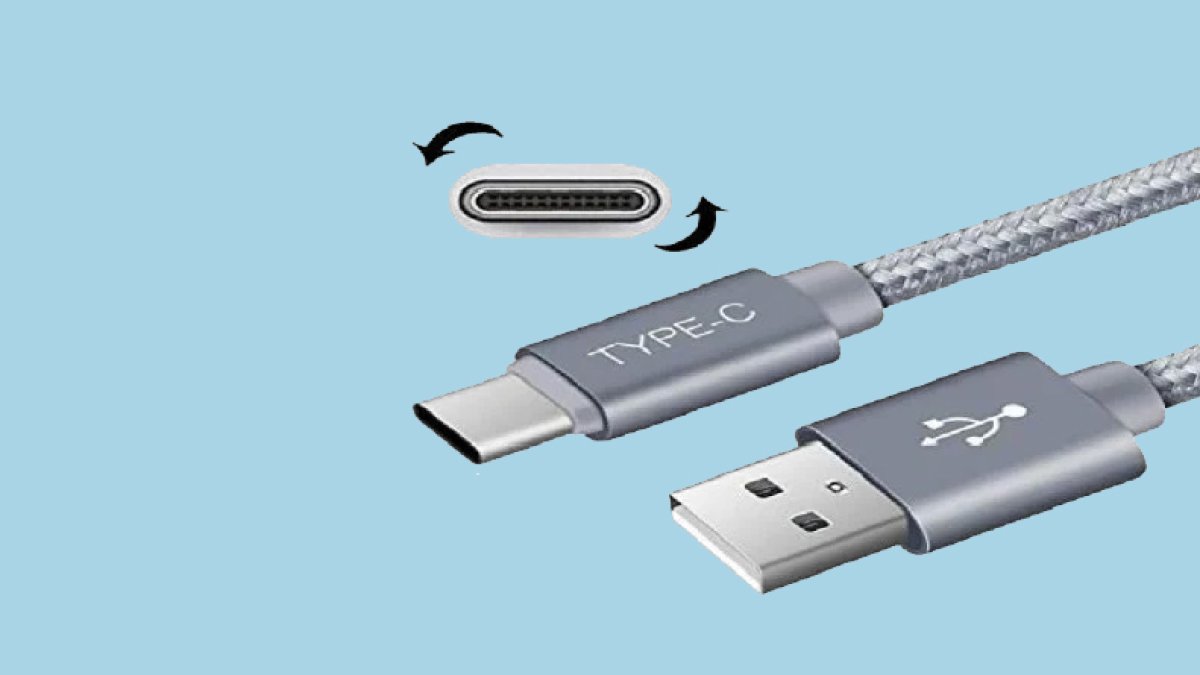
The European Union has finalized a landmark regulation mandating a EU universal charger for all consumer electronics — a move that will reshape how smartphone and laptop makers design their devices and how consumers buy accessories. With roughly 450 million smartphones in active use across EU member states, the impact of this single-charger directive will be felt by hundreds of millions of people.
What the EU Universal Charger Rule Actually Means
The European Union's universal charger mandate requires all smartphones, tablets, laptops, and similar portable electronics sold within EU member states to support USB Type-C as a common charging port. Once the rule is fully enforced, hardware makers will no longer be permitted to ship devices that rely on proprietary charging connectors — ending the era of consumers juggling multiple cables for different gadgets.
The regulation addresses a well-documented problem: over the years, consumers have had to manage a growing collection of incompatible cables. The journey began with older round-pin chargers, moved through Nokia's thin-pin connectors, and eventually produced a fragmented market of Micro USB, Type-A, Type-B, and Type-C ports. While USB Type-C has already emerged as the dominant standard, this EU directive makes compliance legally mandatory rather than merely conventional.
A major environmental benefit underpins the new rule. Electronic waste generated by discarded and redundant chargers is a measurable problem across Europe. By converging on a single standard, the EU estimates a significant reduction in charger-related e-waste — an outcome that aligns with the bloc's broader Green Deal sustainability targets.
For a deeper look at how leading gadget brands are adapting to this shift, visit the Apple brand page on our site, where we track the company's hardware transitions.
Apple's Objection to the Universal Charger Standard
Apple has been the most vocal opponent of the EU's universal charger push. The company has used Lightning connectors in iPhones and iPads for years — a proprietary standard that differentiates Apple accessories from the broader Android and Windows ecosystem.
Apple's stated concern is twofold. First, the company argues that mandating a single connector will stifle hardware innovation by locking manufacturers into a specific technical standard, potentially preventing the adoption of future charging technologies that may surpass USB Type-C. Second, Apple has claimed — without providing detailed supporting data — that forcing a switch to USB Type-C could increase pollution rather than reduce it, because existing Lightning accessories already in use would become obsolete and end up as waste.
Apple also warned that the EU directive, if it influences global regulatory trends, could create problems for customers outside Europe who depend on the current Lightning ecosystem. The demand for a common charger standard in the EU is not new — similar proposals were raised as far back as January of the prior year before the rule advanced to its current stage.
What This Means for Consumers and the Gadgets Market
For most Android smartphone users who already rely on USB Type-C, the EU directive changes little in practical terms. The real disruption falls on Apple's product lineup and on any remaining manufacturers still shipping devices with Micro USB or proprietary connectors.
Consumers stand to benefit in several direct ways:
- One cable can charge a smartphone, tablet, laptop, and earbuds — reducing the number of accessories needed at home and while travelling.
- Shared chargers become practical across households where different device brands are in use.
- Replacement cables become cheaper and easier to source, since a single universal standard drives greater supply and competition.
- Electronic waste from discarded single-purpose chargers is projected to fall as a result of the standardisation.
The timeline for full implementation means device makers must plan product lines carefully. Any new device launched in the EU after the enforcement deadline must include USB Type-C charging — meaning Apple's future iPhone and iPad hardware revisions will need to comply regardless of the company's objections.
The Broader Regulatory Context
The EU's universal charger mandate is part of a wider effort to reduce consumer electronics waste and improve interoperability across the bloc. European regulators have signalled that similar principles — standardisation to reduce waste and improve consumer choice — could extend to additional product categories beyond smartphones and laptops in future legislative cycles.
For gadget enthusiasts and industry watchers, this regulation marks a turning point: for the first time, a major economic bloc has used legislative force to override proprietary hardware ecosystems in the name of environmental and consumer protection. Whether other regions, including the United States, eventually follow the EU's lead remains an open question — but the directive has already accelerated industry-wide adoption of USB Type-C across product categories.