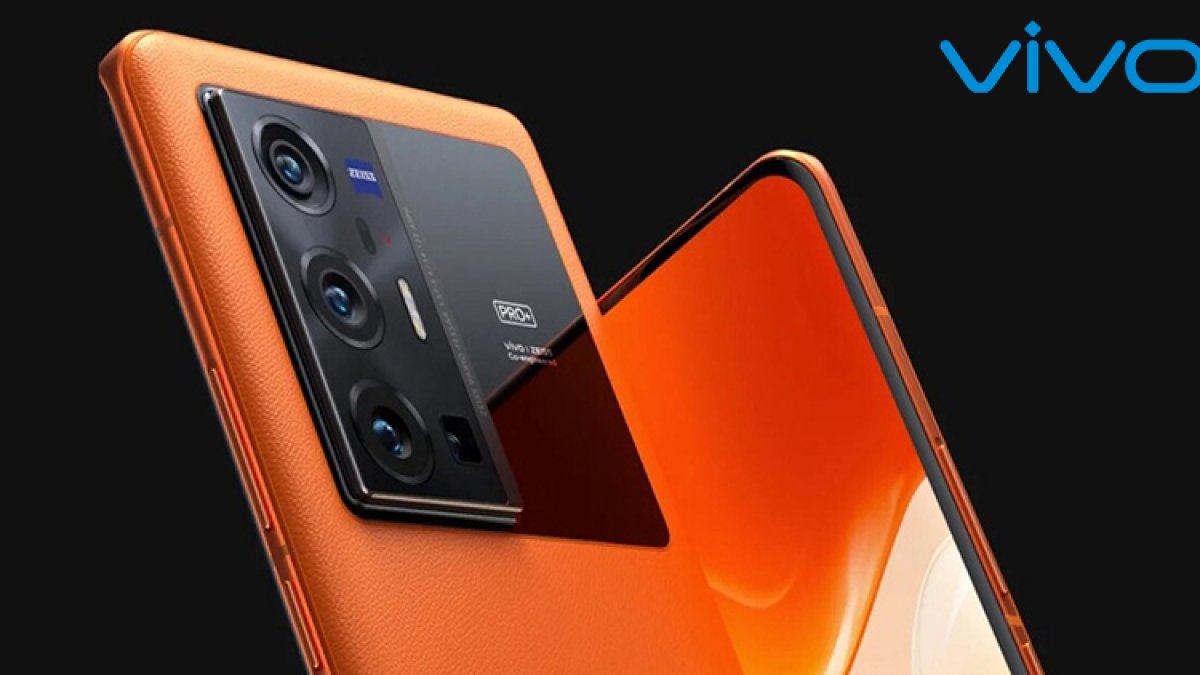
The Vivo X80 Pro and its sibling Vivo X80 were set to launch in India on May 18, following a global debut on May 8 — and Vivo's own teaser page on its India website confirmed the date before being quietly pulled down. A tipster managed to screenshot the countdown timer, giving eager buyers an early heads-up on one of the most camera-focused smartphone releases of the year.
Vivo X80 Pro: Specs, Camera and Performance
The Vivo X80 Pro is built around a 6.78-inch Full HD+ AMOLED display running at a 120Hz refresh rate, keeping scrolling and gaming smooth. Under the hood sits Qualcomm's Snapdragon 8 Gen 1 processor, the flagship chip for 2022, paired with enough muscle for sustained performance.
Photography is the headline act. The triple rear camera array leads with a 50-megapixel Samsung ISOCELL GNV primary sensor, renowned for its low-light performance. Alongside it sits a 48-megapixel ultra-wide Sony IMX598 sensor and an 8-megapixel portrait lens for close-up shots with natural background blur. Selfies are handled by a 32-megapixel front camera.
Powering the phone is a 4,700mAh battery with 80W flash charging support, which can top up the cell in well under an hour. The device ships on Android 12-based OriginOS Ocean. Connectivity covers 5G, 4G LTE, Wi-Fi 6, Bluetooth, USB Type-C, and an in-display fingerprint sensor.
| Spec | Vivo X80 Pro |
|---|---|
| Display | 6.78-inch FHD+ AMOLED, 120Hz |
| Processor | Snapdragon 8 Gen 1 |
| Rear Cameras | 50MP (Samsung GNV) + 48MP ultra-wide (Sony IMX598) + 8MP portrait |
| Front Camera | 32MP |
| Battery | 4,700mAh, 80W flash charging |
| OS | Android 12 / OriginOS Ocean |
| Connectivity | 5G, Wi-Fi 6, Bluetooth, USB Type-C |
Vivo X80: MediaTek Dimensity 9000 and Dual-Chip Strategy
While the Pro leans on Snapdragon, the standard Vivo X80 takes a different route with the MediaTek Dimensity 9000 — another top-tier 2022 chip that competes toe-to-toe with Qualcomm's best in benchmarks and efficiency.
The display is a 6.78-inch Full HD+ 2K E5 LTPO AMOLED panel with a 120Hz refresh rate, using Samsung's brightest E5 emitter technology for vivid colours and deep blacks. The triple camera setup consists of a 50-megapixel primary lens, a 12-megapixel ultra-wide, and a 12-megapixel portrait lens. A 32-megapixel selfie camera mirrors the Pro.
The Vivo X80 carries a 4,500mAh battery with 80W fast charging, matching the Pro's rapid top-up capability. It also runs Android 12 with OriginOS Ocean. Connectivity is comprehensive: 5G, 4G LTE, Wi-Fi 6, Bluetooth 5.3, GPS/A-GPS, Infrared Blaster (IR), NFC, and USB Type-C — with an in-display fingerprint sensor rounding out the package.
| Spec | Vivo X80 |
|---|---|
| Display | 6.78-inch FHD+ 2K E5 LTPO AMOLED, 120Hz |
| Processor | MediaTek Dimensity 9000 |
| Rear Cameras | 50MP primary + 12MP ultra-wide + 12MP portrait |
| Front Camera | 32MP |
| Battery | 4,500mAh, 80W fast charging |
| OS | Android 12 / OriginOS Ocean |
| Connectivity | 5G, Wi-Fi 6, Bluetooth 5.3, NFC, IR Blaster, USB Type-C |
India Launch and What to Expect
Vivo first unveiled the X80 series for the global market on May 8, with the India launch following on May 18. The teaser that briefly appeared — and was then removed — from the Vivo India website showed a countdown timer aligned with that date, and a tipster's screenshot confirmed its existence before it was taken down.
Both phones run OriginOS Ocean layered over Android 12, Vivo's own UI with a distinctive design language borrowed from its China lineup. For buyers interested in the brand's full range of India releases, the Vivo phones page keeps track of every model as they arrive.
Key Differences at a Glance
- Processor: X80 Pro uses Snapdragon 8 Gen 1; X80 uses MediaTek Dimensity 9000.
- Camera: X80 Pro has a 48MP Sony IMX598 ultra-wide vs. 12MP ultra-wide on the X80.
- Battery: X80 Pro packs 4,700mAh; X80 carries 4,500mAh — both with 80W charging.
- Extras: X80 adds Bluetooth 5.3, NFC, and an Infrared Blaster over the base Pro spec sheet.
Together, the Vivo X80 series positions the brand squarely in India's premium smartphone segment, competing on camera credentials against rivals from Samsung, OnePlus, and Xiaomi. Whether you prioritise Qualcomm's ecosystem or MediaTek's efficiency, there is a variant built for you.